
TLS has several security features that weren’t current in earlier variations of SSL. These options embody stronger encryption algorithms, assist for forward secrecy, improved authenticating mechanisms, and more secure certificate dealing with. TLS also provides better safety in opposition to man-in-the-middle attacks and replay attacks.
Ssl 30 ( – Improved Safety But Still Vulnerable
To conclude TLS vs. SSL, TLS (Transport Layer Security) is a extra moderen model of the SSL (Secure Socket Layer) protocol. Whereas both protocols supply a secure methodology of communication, TLS is extra dependable, secure, and compatible with completely different configurations than SSL. So, older protocols can still communicate with newer protocols over the same community. Due To This Fact, organizations must upgrade to TLS if they need the protection provided by a more secure post-quantum cryptographic protocol.
- Request a Demo to see how Keyfactor helps you retire SSL-era assumptions and run TLS the way modern security demands.
- SSL was developed by Netscape within the Nineties and had a quantity of versions, similar to SSL 1.zero, SSL 2.zero, and SSL three.0.
- It removes outdated algorithms, enforces good ahead secrecy by default, and reduces the handshake to a single spherical trip.
- While TLS 1.2 is safe and extensively supported, consider using TLS 1.3 for enhanced security.
- This encryption is achieved through cryptographic algorithms, which convert the info into an unreadable format that can only be decrypted by the supposed recipient.
What Is The Difference Between Tls And Ssl Security?
Utilizing subtle encryption mechanisms, SSL ensures that solely approved parties can access the information exchanged. A vulnerability in the renegotiation feature of the TLS protocol permits https://365eventcyprus.com/how-to-monetize-instagram-and-find-advertisers-using-an-online-platform.html attackers to control a respectable connection to insert malicious content material. This assault poses a great threat, particularly in person authentication processes. Heartbleed was a critical vulnerability in the OpenSSL library using SSL/TLS, discovered in 2014.
It happened in 1999 after the Internet Engineering Task Drive (IETF) proposed a refresh to the protocol. TLS was designed to facilitate privacy and data safety for communications over the Internet and it’s now extensively adopted. Each model of SSL has been deprecated due to recognized vulnerabilities, and SSL 3.0 was retired in 2015. Trendy browsers and servers no longer help SSL, so you should use TLS 1.2 or 1.three. Several of the most effective identified attacks on SSL by no means broke any cryptography.
That design limits the blast radius of a breach and strengthens resistance to brute-force and man-in-the-middle assaults. TLS 1.three reduces the handshake to a single round journey, down from two in TLS 1.2. Fewer round journeys imply sooner connection setup and extra responsive HTTPS for users. The streamlined TLS handshake course of is likely certainly one of the clearest causes to make TLS 1.three your target for brand new deployments. Netscape, an internet browser that was in style within the Nineteen Nineties, created SSL to secure early internet transactions. When you visit a web site or use an app that has SSL or TLS, it means that your messages are encrypted and authenticated.
Its modern PKI platform, EJBCA, provides enterprise-grade PKI that helps crypto-agility and standard enrollment protocols for issuing TLS certificates at scale. Cryptographic Discovery and Inventory routinely surfaces every cryptographic asset, so you can assess quantum readiness and remove lingering legacy SSL configurations. TLS 1.three ships with a simple cipher suite that includes solely algorithms with no recognized vulnerabilities. TLS 1.2, in contrast, nonetheless permits some weak ciphers, which enlarges the attack floor and complicates configuration.
Key Differences Between Tls And Ssl
They sat in the center of a connection and quietly edited the opening negotiation, tricking both sides into deciding on weak protection that each believed the opposite had asked for. TLS 1.three verifies that both parties saw an identical, unmodified negotiation earlier than any actual data strikes. When an SSL connection failed, the error message went out within the clear, so anyone watching the network learned exactly what had gone wrong. TLS 1.three encrypts these messages almost instantly, maintaining failures non-public. The tradeoff for directors is that a community capture now not explains a failure on its own, and troubleshooting strikes to logs on the client and the server. SSL generally protected a session by encrypting its key underneath the server’s long-term key.
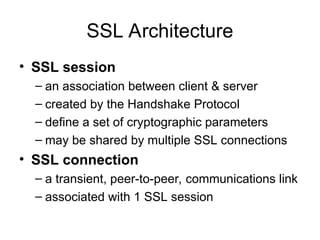
Gone In Forty Seven Days: The New Reality For Tls Certificates
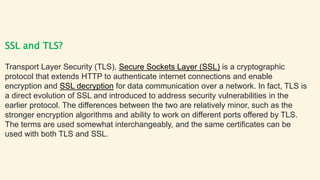
Check this comparability of the highest SSL certificates brokers to get an thought of the worth, features and stage of security offered. While much of the concentrate on the use of SSL has to do with public access on the Web, it can also be necessary to creating and preserving privacy on a virtual private community (VPN). It’s been in use for more than a decade and is typically thought-about to be more advanced than other elements of SSL. What it does it take part in the verification course of that establishes the connection.
It’s what keeps the connection going once the browser and site are talking to one another after the secure session is established. Encryption – They encrypt knowledge in transit so it can’t be learn by attackers intercepting the connection. TLS, short for Transport Layer Security, is an updated and more secure model of SSL.